A Five-Minute Method for Comparing Two Similar Packs
Compare two similar food packs in five minutes by ranking what matters, spotting meaningful differences and choosing the option that fits your plans.
The common mistake when comparing two similar food packs is to let the boldest front-of-pack claim decide. A five-minute food-pack comparison can instead stop you spending attention on differences that do not matter to your meal, dietary needs or plans for using the food.
Rank your priorities before comparing packs
Choose two products that serve the same purpose, such as tomato sauces for pasta or oat drinks for porridge. Before looking for a winner, put your priorities in order: requirements that rule a product out first, then the features that would make one option more useful, then any tie-breakers.
For example, an allergy requirement is a must-meet condition, not a preference to trade against a lower salt value or a flavour you like. For medical dietary advice, consult a qualified health professional. Other priorities might include suitability for a particular recipe, a flavour you enjoy, a certification you value or a pack size that fits your plans.
Use the same decision tests for each product
Give both packs the same questions, but do not treat every answer as equally important. Use this set of checks to identify which details could change your decision:
- Purpose: Check the product description; if the foods serve different uses, compare only the features relevant to your intended use, or choose a more suitable pair.
- Must-meet requirements: Check the current ingredient and allergen information; if a product conflicts with a known requirement, set it aside, or seek qualified advice if the label leaves you uncertain.
- Recipe fit: Check ingredients, flavour descriptions and preparation notes; if one better suits the dish, favour it, or keep comparing if the difference will not affect the result.
- Nutrition priority: Check the specific value you care about on a comparable basis; if one option better matches that priority, consider it, or leave the comparison unresolved when the stated bases differ.
- Use and storage: Check pack amount and storage directions; if one fits your planned use more readily, favour it, or choose the other if its format suits your needs better.
- Claim relevance: Check what a front-of-pack claim actually describes; if it concerns a priority you have, use it as a prompt to check the supporting details, or set it aside if it addresses something irrelevant.
This is a prioritisation exercise, not a demand to find a winner in every category. A detail that cannot affect your use of the food does not need to carry the same weight as a requirement or a feature central to your recipe.
See how a ranked comparison changes the choice
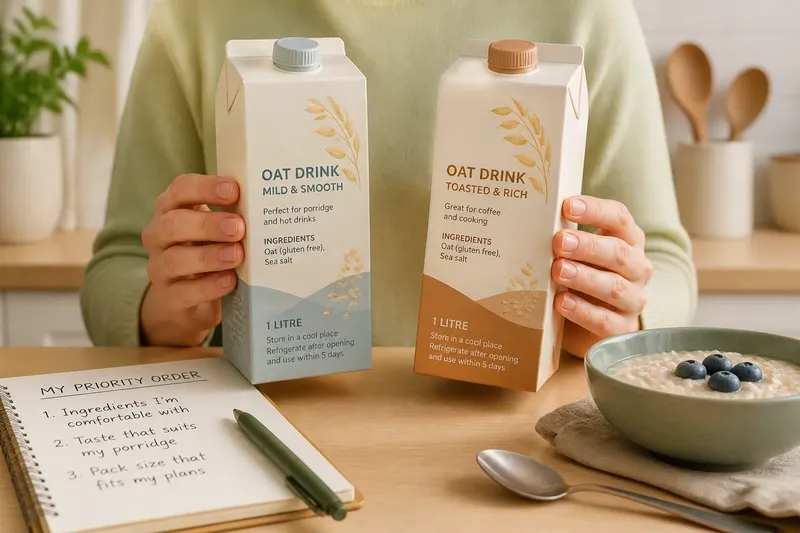
Say you are choosing between two hypothetical plain oat drinks for porridge. Your stated order is: first, ingredients you are comfortable using; second, a taste that suits warm cereal; third, pack size. On the invented packs, both ingredient lists meet your preference, but one describes a stronger toasted flavour while the other has a milder flavour description. You choose the milder one because that is the taste you want in porridge; the pack-size difference does not overturn that decision because both suit your planned use. The answer follows your ranking rather than an assumption that one drink is best for everyone.
If the first-ranked requirement had not been met by either hypothetical pack, the result would be to choose neither and look for another option. That is useful too: a comparison can clarify when neither product is a good fit.
What should you do when the comparison stalls?
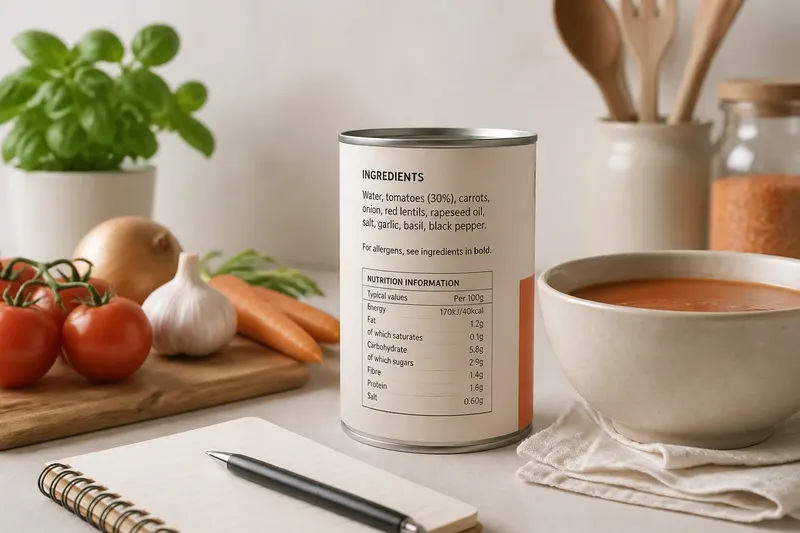
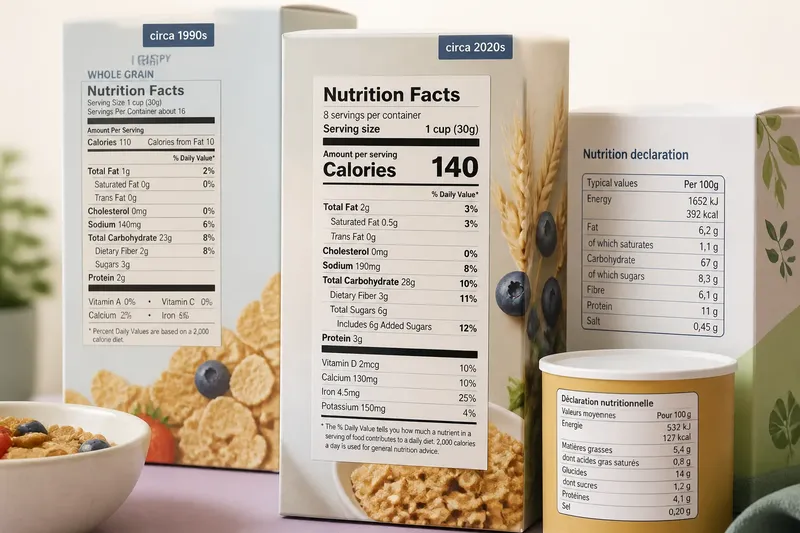
What if the nutrition panels use different serving sizes?
Use a shared basis printed on both packs, if available, such as per 100 g or per 100 ml. If there is no fair shared basis, do not treat the figures as directly comparable; decide using another priority or leave that distinction unresolved.
What if one pack makes a bigger claim?
Ask what specific feature the wording describes and whether it is among your priorities. If the claim is unclear or unrelated to your decision, do not let its prominence give it extra weight.
What if both products meet my requirements?
Use the next priority in your ranked list, such as recipe fit, preferred flavour or a pack format that suits your plans. If neither has an advantage that matters, choose by a simple preference rather than inventing an overall winner.
What if I am comparing foods for an allergy?
Check the current ingredient list and allergen information on the exact pack, including advisory statements. If anything remains unclear, contact the manufacturer or consult a qualified health professional instead of guessing.
Stop when the next difference cannot change your choice
Once a product meets your requirements and leads on the highest-ranked preference that separates the options, further comparison may add noise rather than help. Say the reason plainly: “I am choosing this sauce because its flavour suits the dish,” or “I am setting both aside because neither meets the requirement I checked.”
Keep the five-minute food-pack comparison tied to the exact products in front of you: similar packaging does not make their information interchangeable, and products can change. For the next shop, remember the order that worked—requirements first, then the features that matter for the food you plan to make, then a tie-breaker. That simple ranking makes the decision easier to explain and easier to repeat.